
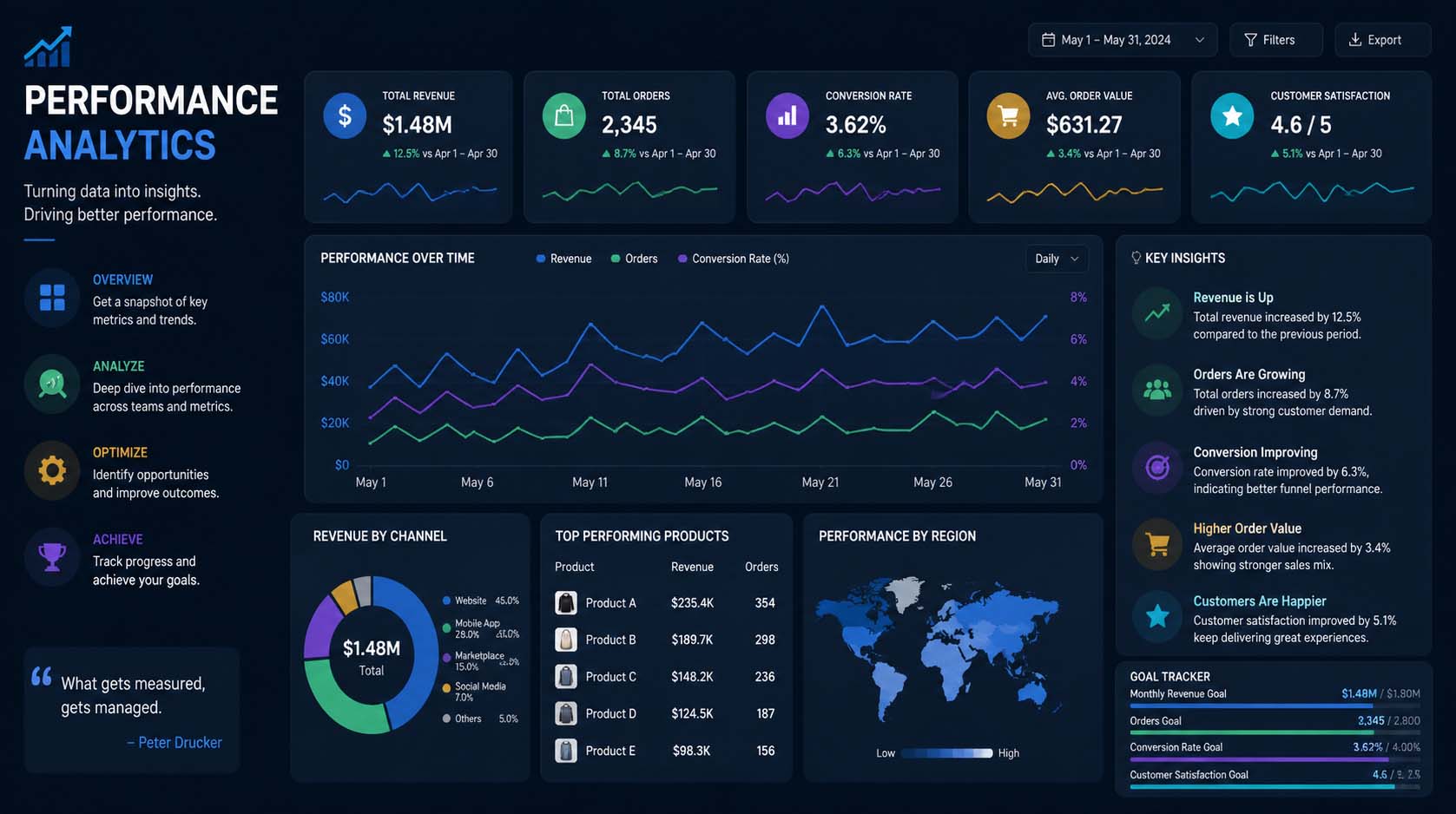
In today’s competitive digital landscape, performance analytics has become an essential tool for businesses seeking to make smarter decisions and achieve sustainable growth. Organizations across industries rely on data insights to understand trends, optimize processes, and improve outcomes. Performance analytics is not just about collecting data; it is about transforming raw information into actionable intelligence that drives measurable results.
At its core, performance analytics helps companies evaluate how effectively they are meeting their goals. Whether it is tracking website traffic, employee productivity, or operational efficiency, the ability to measure performance accurately allows organizations to identify strengths and address weaknesses. As businesses continue to embrace digital transformation, the role of performance analytics has grown significantly, making it a cornerstone of modern strategy.
Understanding the Importance of Performance Analytics
Performance analytics provides a structured approach to analyzing data and uncovering patterns that might otherwise go unnoticed. By leveraging advanced tools and technologies, businesses can monitor key performance indicators in real time. This enables decision-makers to respond quickly to changes and stay ahead of competitors.
One of the main benefits of is its ability to improve transparency. When data is clearly visualized and easily accessible, teams can align their efforts with organizational objectives. This creates a culture of accountability where everyone understands their role in achieving success. Additionally, supports continuous improvement by identifying opportunities for optimization.
Organizations that invest in s often experience better outcomes because they are able to make data-driven decisions rather than relying on assumptions. This reduces risk and increases the likelihood of achieving desired results.
Servicenow Performance Analytics
Servicenow performance analytics is a powerful solution designed to help organizations monitor and improve their IT services and business processes. It provides real-time insights into operational performance, allowing teams to track metrics and identify trends effectively.
With servicenow , businesses can create dashboards that display critical data in a user-friendly format. These dashboards make it easier to understand performance at a glance and take immediate action when necessary. The platform also supports predictive capabilities, enabling organizations to anticipate issues before they occur.
Another advantage of servicenow is its ability to integrate with other systems. This ensures that data from multiple sources can be analyzed in a unified way, providing a comprehensive view of performance. As a result, organizations can improve efficiency, reduce downtime, and enhance overall service quality.
Ecommerce Performance Analytics
Ecommerce performance analytics plays a crucial role in helping online businesses optimize their operations and maximize revenue. In the fast-paced world of digital commerce, understanding customer behavior and sales trends is essential for success.
By using ecommerce performance analytics, businesses can track metrics such as conversion rates, average order value, and customer acquisition costs. These insights allow companies to identify which strategies are working and which need improvement. For example, analyzing user behavior on a website can reveal bottlenecks in the purchasing process, enabling businesses to make adjustments that increase conversions.
Asset Performance Analytics
Asset performance analytics focuses on monitoring and optimizing the of physical and digital assets. This approach is particularly valuable in industries such as manufacturing, energy, and transportation, where equipment reliability is critical.
Through asset organizations can track the condition and of their assets in real time. This allows them to detect potential issues early and take preventive measures. For instance, predictive maintenance can be implemented to reduce downtime and extend the lifespan of equipment.
Another key benefit of asset is cost optimization. By understanding how assets are being used, businesses can allocate resources more efficiently and avoid unnecessary expenses.
Predictive VDI Performance Analytics
Predictive VDI performance analytics is an advanced approach that focuses on optimizing virtual desktop infrastructure environments. As remote work becomes more common, ensuring the performance and reliability of virtual desktops is essential for maintaining productivity.
Predictive VDI uses machine learning and data analysis to anticipate potential issues before they affect users. By analyzing historical data and identifying patterns, organizations can predict performance bottlenecks and take proactive measures to address them.
This approach not only improves user experience but also reduces the workload on IT teams. Instead of reacting to problems after they occur, teams can focus on strategic initiatives that drive innovation. Predictive VDI also enhances security by identifying anomalies that may indicate potential threats.
How Performance Analytics Drives Business Growth
Performance analytics is a key driver of business growth because it enables organizations to make informed decisions based on accurate data. By understanding what works and what does not, companies can refine their strategies and achieve better results.
One of the most significant advantages of is its ability to provide insights into customer behavior. This allows businesses to tailor their products and services to meet customer needs, resulting in higher satisfaction and retention rates. Additionally, helps organizations identify new opportunities for growth by uncovering trends and patterns in the market.
The Future of Performance Analytics
The future of performance analytics is closely tied to advancements in technology. Artificial intelligence and machine learning are expected to play a significant role in enhancing data analysis capabilities. These technologies will enable businesses to gain deeper insights and make more accurate predictions.
As data continues to grow in volume and complexity, the need for sophisticated analytics tools will become even more critical. Organizations that embrace these tools will be better positioned to compete in an increasingly data-driven world.
Conclusion
Performance analytics has become an indispensable part of modern business strategy. From improving operational efficiency to enhancing customer experiences, it provides the insights needed to succeed in a competitive environment. Whether it is servicenow , ecommerce , asset or predictive VDI , each approach offers unique benefits that contribute to overall performance.