Learning how to remove stripped screws is a useful skill for homeowners, DIY enthusiasts, and anyone who works with tools. A stripped screw happens when the head becomes damaged, making it difficult for a screwdriver or drill bit to grip properly. This common problem can happen during furniture assembly, home repairs, electronics work, or woodworking projects.
Although stripped screws can be frustrating, they are usually removable with the right methods. In many cases, you do not need expensive tools or professional help. With patience and a few simple techniques, you can safely remove damaged screws without harming the surrounding material.
Why Screws Become Stripped
A screw head usually becomes stripped when too much force is used or the wrong screwdriver size is chosen. Power drills can also cause damage if they slip or spin too fast.
Common reasons include:
- Using the wrong screwdriver bit
- Applying too much pressure
- Rust or corrosion
- Overtightening screws
- Low-quality screw materials
- Repeated removal and reinstallation
Understanding the cause can help prevent future problems.
Tools That Can Help
Before starting, gather a few common tools that may help remove stripped screws:
- Rubber band
- Flathead screwdriver
- Pliers
- Screw extractor kit
- Drill
- Hammer
- Penetrating oil
- Needle-nose pliers
- Manual screwdriver
Having several options available makes the process easier.
Start With the Rubber Band Method
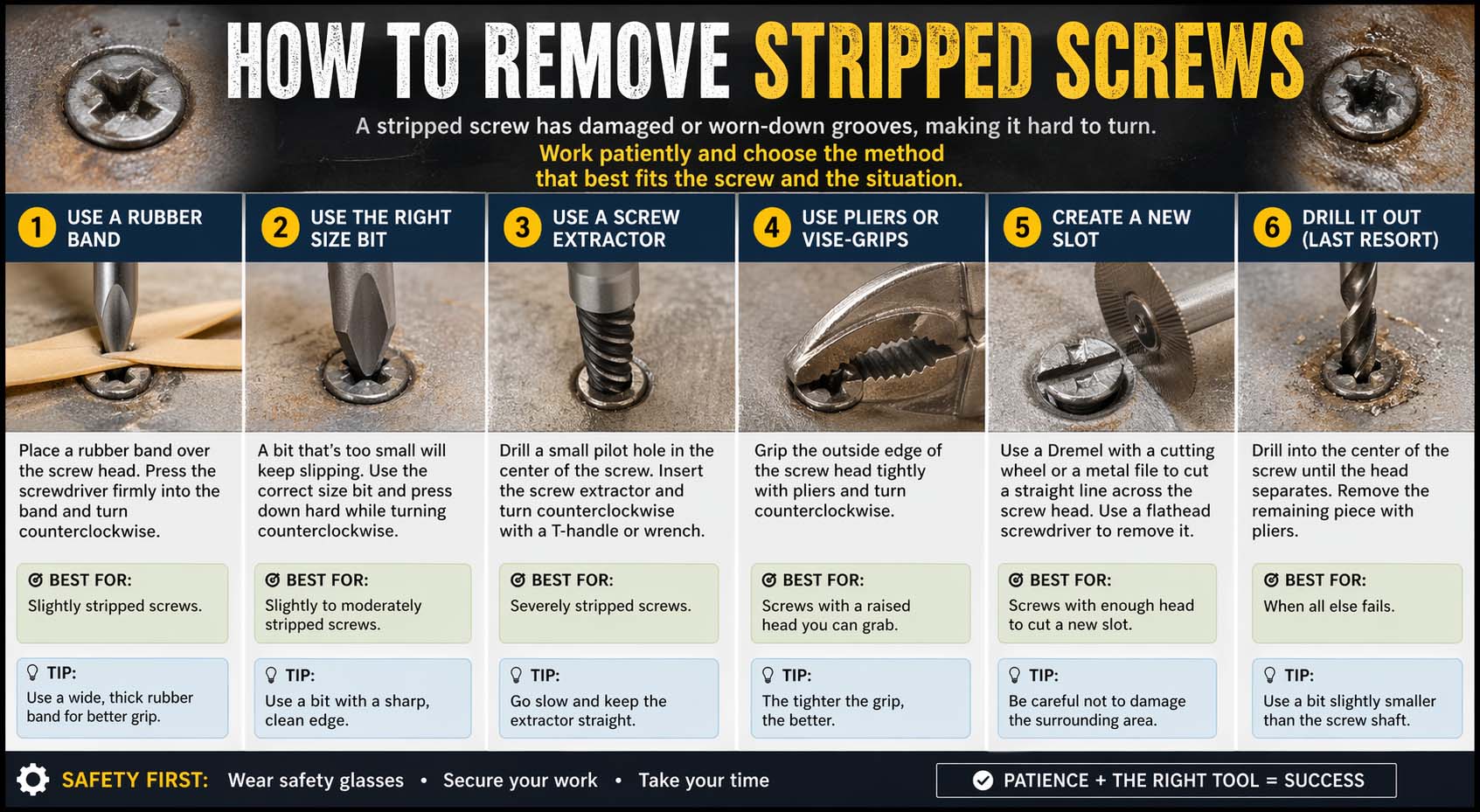
One of the easiest ways to remove a stripped screw is by placing a thick rubber band over the damaged screw head. Press the screwdriver firmly into the rubber band and turn slowly.
The rubber adds grip between the tool and screw, helping the screwdriver catch the worn grooves. This method often works for lightly damaged screws.
It is especially helpful for electronics, furniture, and household screws.
Use a Larger Screwdriver
Sometimes switching to a slightly larger screwdriver can create enough grip to remove the screw. Push firmly downward while turning slowly.
If the screw head is Phillips-shaped, try a flathead screwdriver that fits tightly across the damaged opening.
This simple trick often works when the screw is only partially stripped.
If you are wondering how to remove stripped screws, the best approach is to start with gentle methods before moving to advanced tools. Try a rubber band, larger screwdriver, or pliers first.
If those do not work, use a screw extractor kit. These kits are designed specifically to grip damaged screws and back them out safely. Follow instructions carefully and work slowly to avoid further damage.
Patience is often more important than force.
How to Remove Small Stripped Screws
Learning how to remove small stripped screws requires extra care because tiny screws can break easily. Small screws are common in eyeglasses, laptops, toys, watches, and electronics.
Use precision screwdrivers that fit exactly. A rubber band can help increase grip. Tweezers or needle-nose pliers may also help if the screw head is raised enough to grab.
Avoid using too much force, as this can snap the screw or damage delicate parts around it.
How to Remove Small Stripped Screws Without a Drill
Many people ask how to remove small stripped screws without a drill because drills can damage electronics or delicate materials. In these cases, use manual tools first.
Try these safe options:
- Precision screwdriver with firm downward pressure
- Rubber band grip method
- Small flathead screwdriver
- Needle-nose pliers for exposed heads
- A drop of lubricant if the screw is stuck
Manual methods are often safer and more precise for tiny stripped screws.
Use Pliers for Exposed Screw Heads
If part of the screw head sticks above the surface, locking pliers or needle-nose pliers can be very effective.
Grip the screw firmly from the sides and turn counterclockwise. Work slowly to avoid slipping. This method is especially useful when the top of the screw is too damaged for a screwdriver.
Pliers are often one of the fastest solutions when enough of the screw is visible.
Try a Screw Extractor
A screw extractor is a specialized tool designed to remove badly damaged screws. It usually works by drilling a small guide hole, then inserting a reverse-thread extractor.
As you turn counterclockwise, the extractor bites into the screw and loosens it. This method is ideal for stubborn or deeply stripped screws.
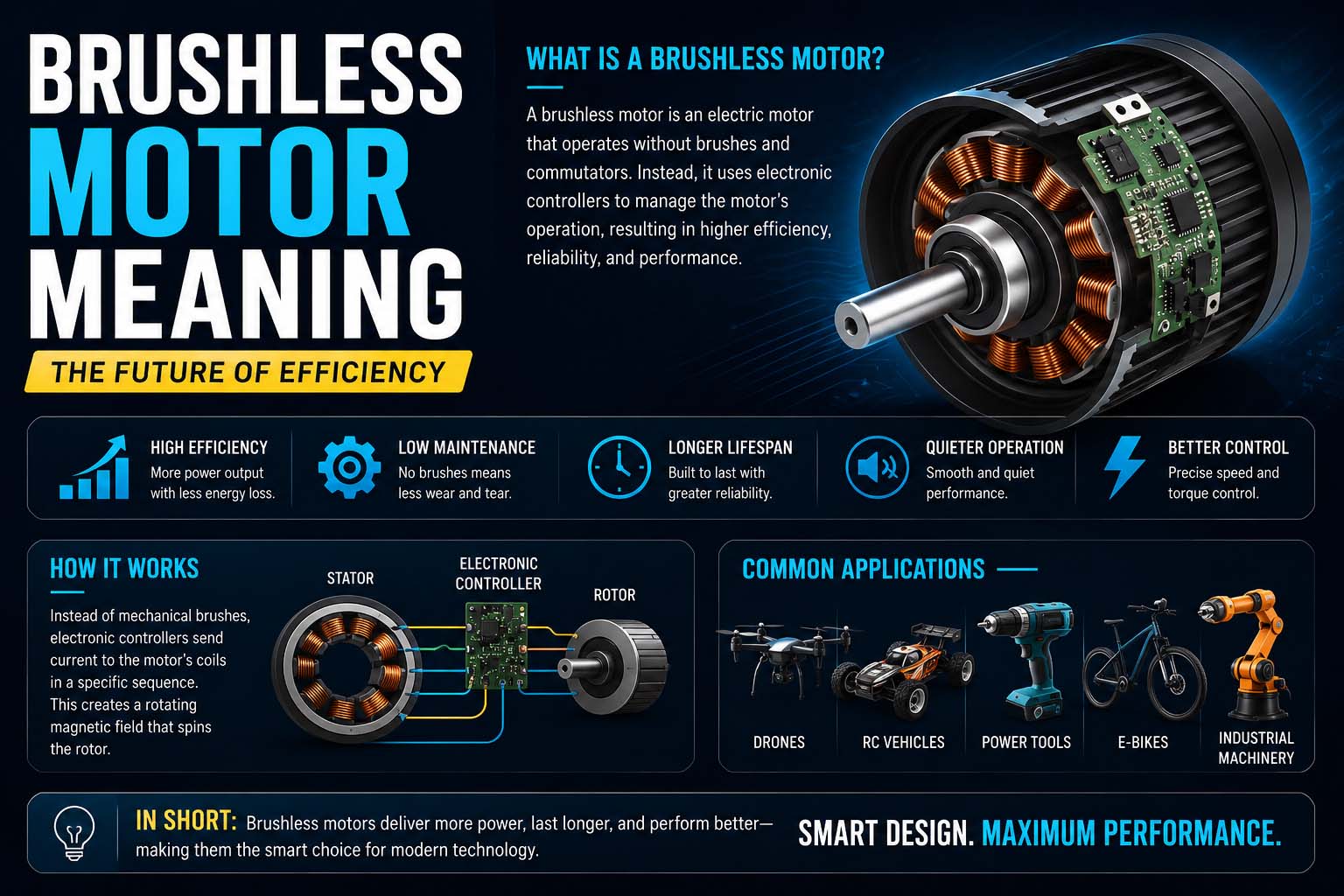
Use low speed and steady pressure for best results. Similar patience and regular maintenance are important when learning how to descale espresso machine, since using the correct technique helps prevent unnecessary damage to equipment.
How to Remove Stripped Screws From Wood
If you need to know how to remove stripped screws from wood, use extra caution to avoid damaging the wood surface. Start with the rubber band method or pliers if the screw head is exposed.
If the screw is flush with the wood, a screw extractor may be the best option. Work slowly and keep tools aligned straight with the screw.
After removal, wood filler can repair any small surface damage if needed.
Preventing Stripped Screws
Use the correct screwdriver size and apply steady pressure. When using power drills, choose the right torque setting.
Helpful tips include:
- Match the bit to the screw head
- Avoid overtightening
- Turn slowly near the end
- Replace worn screwdriver bits
- Use quality screws for projects
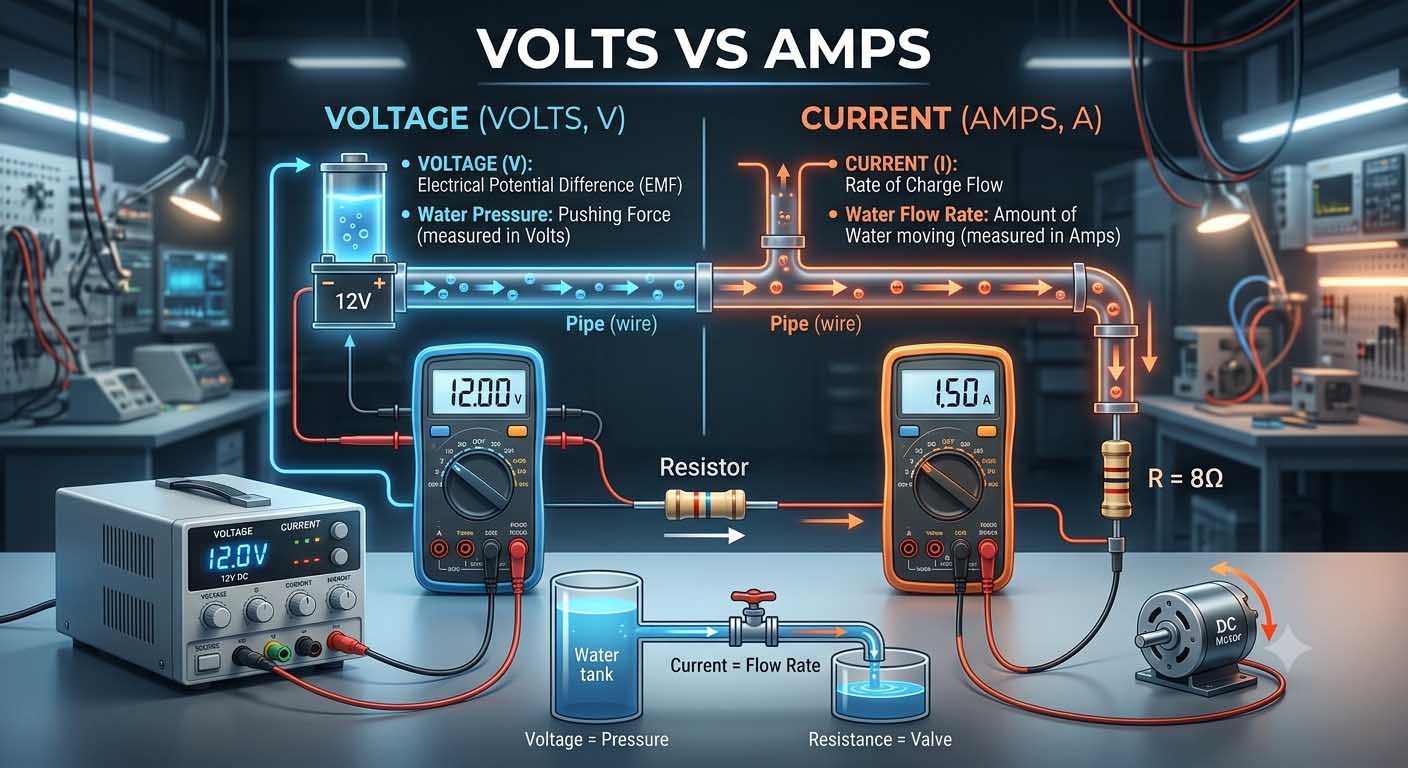
For professionals working with electronic devices or hardware, understanding What Is a Circuit can also be useful, as circuits contain interconnected components that require careful handling during repairs.
These habits can save time and frustration.
When to Replace the Screw
Once removed, a stripped screw should usually be replaced. Reusing damaged screws can create future problems and weak connections.
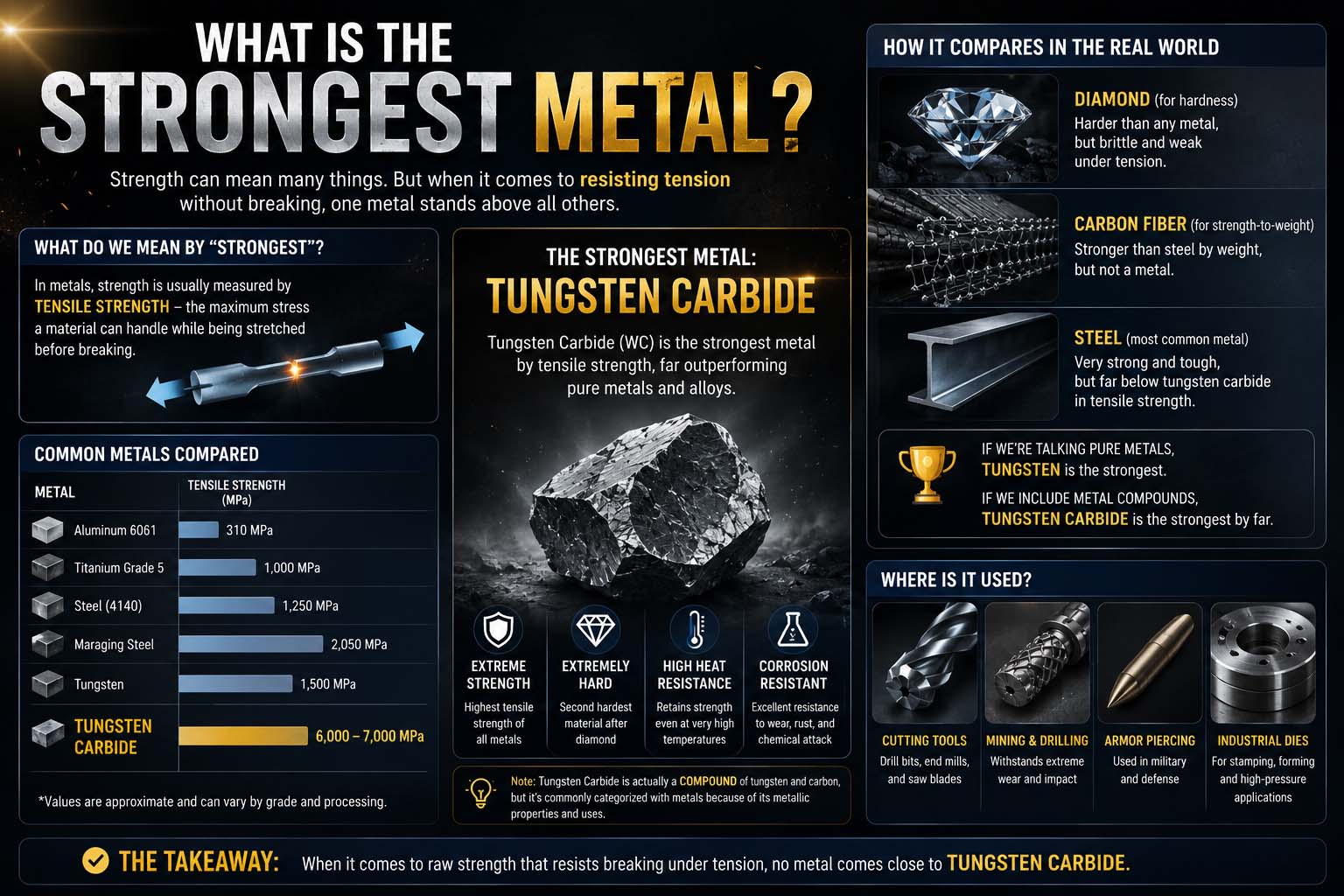
Choose a new screw of the same size and type, or upgrade to a stronger material if needed. When selecting replacement hardware, understanding stainless steel vs carbon steel can also help you choose the most suitable material based on its strength, durability, and resistance to corrosion.
Fresh screws make repairs more secure and easier to maintain later.
Conclusion
Knowing how to remove stripped screws can save money, reduce frustration, and help complete repairs successfully. From rubber bands and pliers to extractor kits, there are many effective ways to remove damaged screws safely.
Whether you need to learn how to remove small stripped screws without a drill, how to remove small stripped screws, or how to remove stripped screws from wood, starting with the gentlest method is usually best.