A power outage can interrupt your work, spoil refrigerated food, or leave essential equipment without electricity. Meanwhile, camping and RV trips often require a reliable portable power source. Choosing the best inverter generator can help you meet these needs without buying equipment that’s unnecessarily large, noisy, or expensive.
Unlike many conventional portable generators, inverter generators use electronic power conversion to deliver regulated AC electricity. Many models also adjust engine speed according to electrical demand, which can improve fuel efficiency at lighter loads.
However, the right generator depends on what you want to power, how long you need electricity, and where you plan to use it.
This guide explains the different types of inverter generators, important specifications, recommended power ranges, safety considerations, and practical buying tips.
What Is an Inverter Generator and How Does It Work?
An inverter generator is a portable electrical generator that combines an engine-driven alternator with electronic power conversion.
First, its engine produces mechanical energy by burning fuel.
Next, an alternator generates electricity, which the generator’s electronics process to produce regulated AC output.
As a result, inverter generators can provide electricity suitable for many household appliances and electronic devices, provided the equipment meets the generator’s specifications.
Inverter Generator vs. Conventional Generator
The main difference involves how electricity is regulated.
Conventional portable generators typically depend on engine speed and electrical regulation systems to maintain their output.
In contrast, inverter generators use electronic circuitry to control the final AC waveform.
Many inverter models also offer variable engine speeds.
Therefore, they may operate more quietly and use less fuel when supplying relatively small loads.
However, actual performance depends on the generator’s design, size, and operating conditions.
Best Inverter Generator Options for Different Needs
Rather than choosing one generator for every situation, consider the type that best matches your intended use.
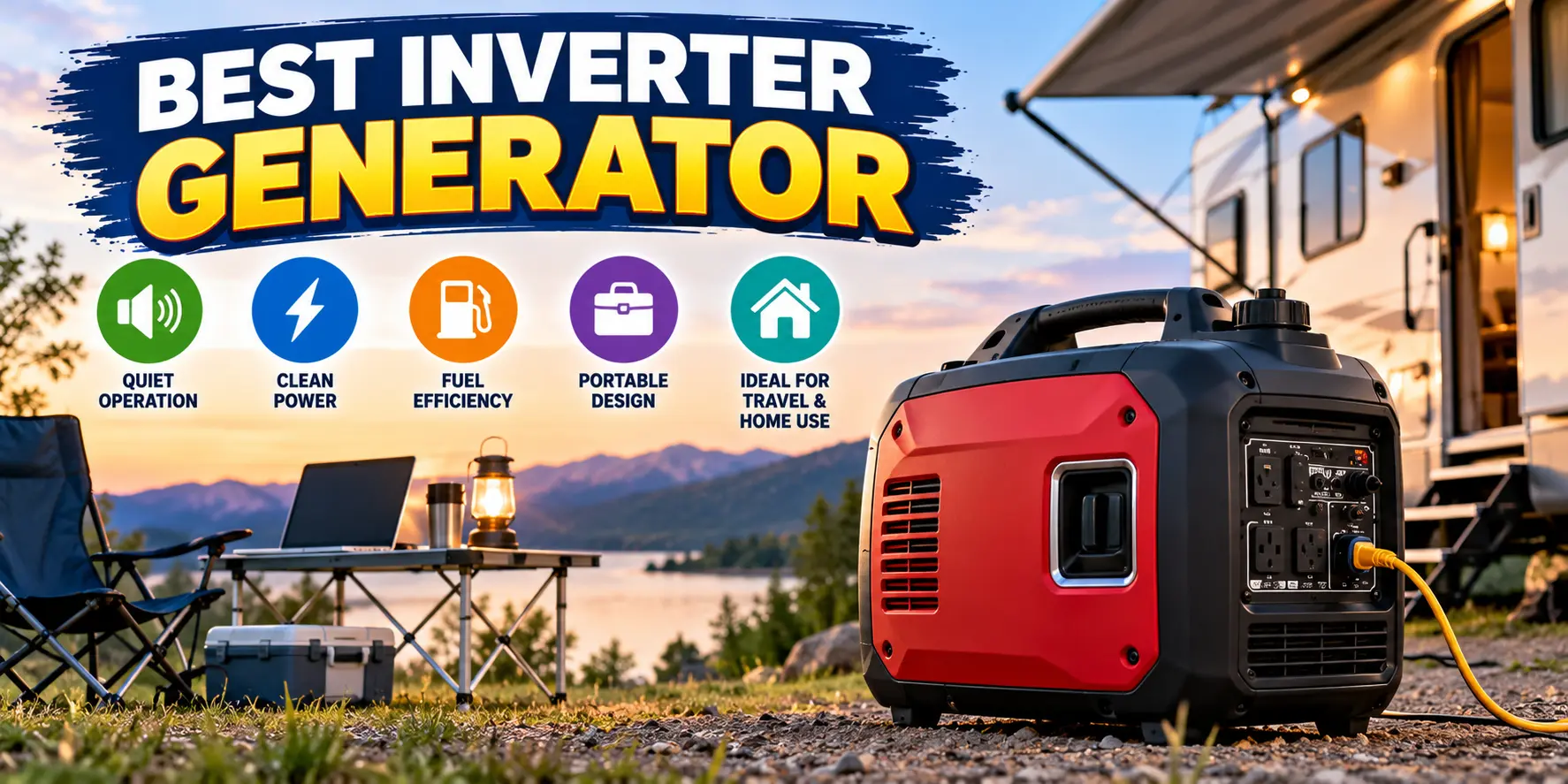
Best Portable Inverter Generator for Camping
For camping, a compact model with approximately 1,000–2,500 running watts may be suitable for basic electrical needs.
For example, this range can support selected lights, chargers, and small appliances, depending on their combined power requirements.
Look for a manageable carrying weight, convenient handles, and low-load noise performance.
However, remember that even quiet generators produce dangerous exhaust gases and must operate outdoors.
Best Inverter Generator for Home Backup
For limited home backup, models offering approximately 3,000–7,000 running watts may support selected essential circuits or appliances.
However, actual requirements depend on equipment wattage and motor startup demands.
For example, a refrigerator, lighting, internet equipment, and selected small appliances may fit within a carefully calculated power budget.
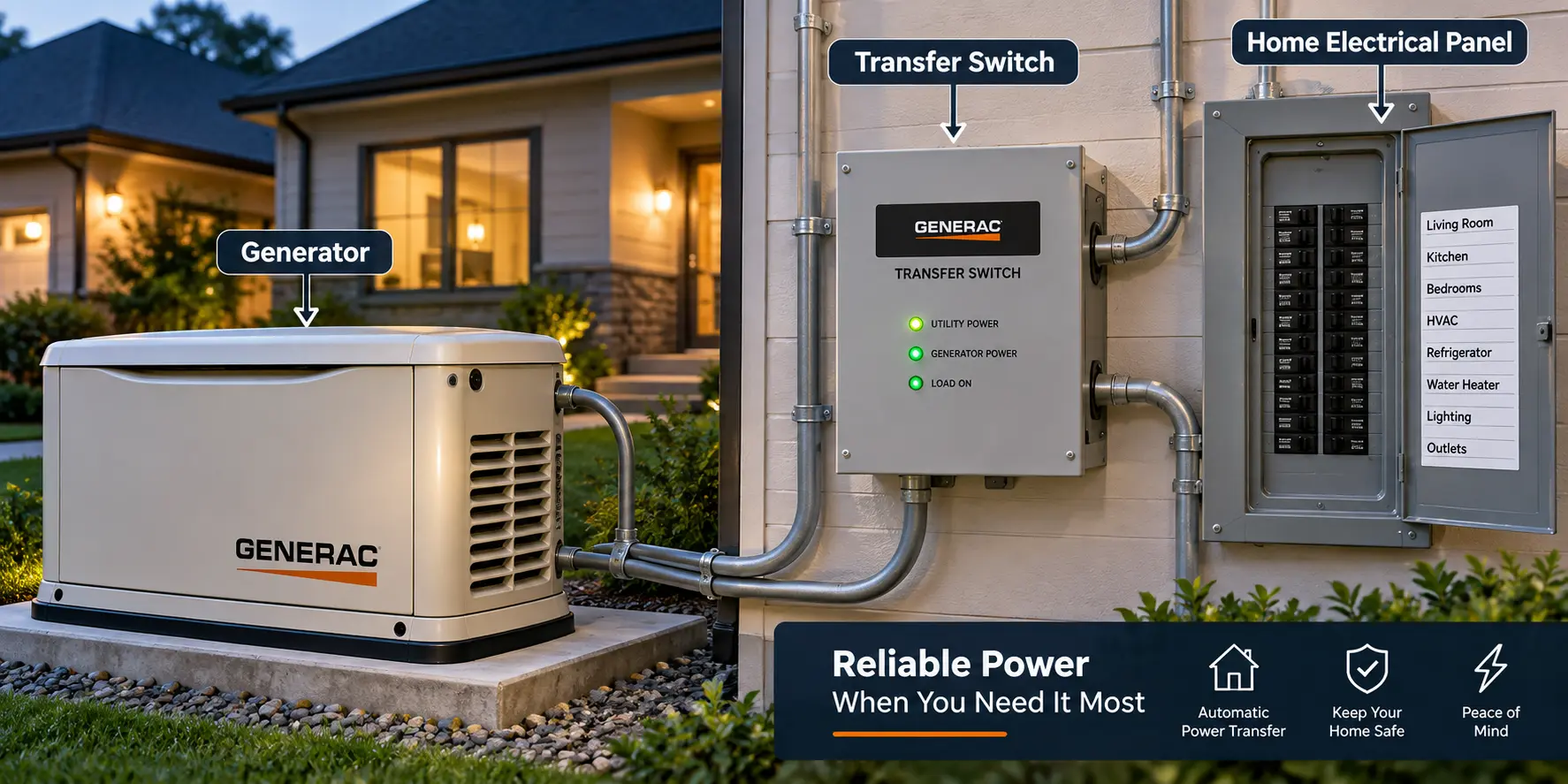
If you want to connect a generator to household wiring, a properly installed generator transfer switch or another approved transfer arrangement helps prevent dangerous backfeeding.
A qualified electrician should handle the connection and verify compatibility with your electrical system.
Best Inverter Generator for RV Travel
The best inverter generator for RV use should match your recreational vehicle’s electrical requirements.
For example, smaller RVs may only need power for charging equipment and basic appliances.
Meanwhile, running an RV air conditioner may require considerably more capacity, especially during compressor startup.
Therefore, check the air conditioner’s specifications before choosing a generator.
Also, consider the generator’s physical dimensions, noise level, fuel availability, and campground rules.
Best Dual Fuel Inverter Generator
A dual-fuel inverter generator can operate on two supported fuels, commonly gasoline and propane.
This flexibility is useful when one fuel becomes difficult to obtain.
For example, propane can be convenient for users who already store approved cylinders for outdoor equipment.
However, power output often differs between fuels, and propane may deliver lower rated wattage than gasoline on the same generator.
Therefore, compare the manufacturer’s specifications for both operating modes.
Inverter Generator Wattage Comparison
Generator capacity is one of the most useful specifications to understand before purchasing.
The following ranges provide a general starting point.
| Generator Running Watts | Typical Applications | Best For |
|---|---|---|
| 1,000–2,000W | Small electronics, lights, selected chargers | Basic camping |
| 2,000–3,500W | Small appliances, travel equipment | Camping and smaller RV loads |
| 3,500–5,000W | Selected RV appliances and household essentials | RVs and limited backup |
| 5,000–7,000W | Multiple essential appliances | Larger RVs and home backup |
| 7,000W and above | Larger selected electrical loads | More demanding backup needs |
These figures are illustrative, not guarantees of what a generator can run.
For example, two appliances with similar running wattage may have very different startup requirements.
Therefore, always calculate the actual demand of your equipment.
How to Calculate the Right Generator Size
Choosing the correct generator size helps prevent overloads and unnecessary spending.
Step 1: List Your Electrical Devices
Start by writing down every appliance you want to operate simultaneously.
For example:
- Refrigerator
- LED lighting
- Internet router
- Laptop
- Television
- Portable fan
Next, check the running wattage listed on each appliance’s label or documentation.
If you need help estimating electrical consumption, understanding how to calculate watts makes it easier to compare equipment ratings.
Step 2: Add the Running Watts
Suppose your planned equipment requires:
| Appliance | Example Running Watts |
|---|---|
| Refrigerator | 200W |
| LED lights | 60W |
| Internet router | 15W |
| Laptop charger | 65W |
| Television | 100W |
| Total | 440W |
In this example, the combined running demand is 440 watts.
However, these are sample values. Your appliances may consume different amounts.
Step 3: Account for Starting Watts
Some appliances, particularly those with motors or compressors, briefly require extra power when starting.
For example, a refrigerator may demand substantially more electricity during compressor startup than during normal operation.
Therefore, confirm the largest expected simultaneous startup demand.
Choose a generator with sufficient continuous and peak capacity rather than relying only on advertised maximum wattage.
Key Features to Look for in the Best Inverter Generator
Beyond wattage, several features influence reliability, convenience, and everyday performance.
Fuel Efficiency and Runtime
Fuel efficiency matters when you expect to operate the generator for several hours.
Many inverter generators offer an economy mode that adjusts engine speed to changing electrical demand.
However, fuel consumption varies with load, engine design, and operating conditions.
Therefore, compare manufacturer runtime figures at similar load percentages.
Noise Level
Noise is especially relevant for camping and RV use.
Generator noise ratings are commonly expressed in decibels.
However, measurements may be taken at different distances and operating loads.
Consequently, compare noise figures only when the testing conditions are similar.
Outlets and Electrical Compatibility
Before purchasing, check the available outlets and their voltage ratings.
For example, some models include standard household outlets, RV receptacles, or USB charging ports.
Also, understanding volts vs amps can help you interpret outlet specifications and avoid exceeding circuit limits.
Carbon Monoxide Safety Features
Some portable generators include carbon monoxide detection and automatic shutdown technology.
These features can provide an extra layer of protection.
However, they do not make indoor generator operation safe.
Always follow the manufacturer’s placement and ventilation requirements.
Gasoline vs. Propane Inverter Generators
Fuel choice affects convenience, operating cost, and storage requirements.
| Feature | Gasoline | Propane |
|---|---|---|
| Availability | Widely available | Available through cylinder suppliers |
| Fuel storage | Requires careful storage and rotation | Often stores well in approved containers |
| Power output | Often higher on dual-fuel models | May be lower on the same model |
| Refueling | Requires handling liquid fuel | Uses compatible fuel cylinders |
| Maintenance | Fuel-system care may be necessary | Different fuel-system maintenance needs |
However, neither option is automatically better for every user.
For example, gasoline may be convenient during regular travel, while propane can suit households that already maintain a suitable cylinder supply.
Always use only the fuels approved for your generator.
Can an Inverter Generator Charge Batteries?
Yes, many inverter generators can supply AC electricity to compatible battery chargers.
For example, a portable generator may power a charger connected to an RV battery system.
However, the generator does not automatically provide the correct charging profile for every battery.
Instead, the charger must match the battery chemistry, voltage, and charging requirements.
Understanding what is a battery charge can help explain how charging current, battery capacity, and charging stages affect the process.
For lithium battery systems, follow the battery manufacturer’s charging and temperature limits.
Advantages and Disadvantages of Inverter Generators
Inverter generators offer several benefits, but they also have limitations.
Advantages
- Often quieter than comparable conventional generators at light loads
- Can provide regulated AC electricity
- Frequently include fuel-saving operating modes
- Available in compact portable designs
- Useful for camping, RVs, and selected backup applications
Disadvantages
- May cost more than comparable conventional models
- Some compact models have limited power capacity
- Require fuel, maintenance, and safe outdoor operation
- Runtime depends on fuel supply and electrical demand
- Larger models can still be heavy and noisy
Therefore, the best choice depends on your expected loads and operating environment.
Common Inverter Generator Problems and Fixes
Even a well-maintained generator can occasionally develop problems.
Generator Starts but Produces No Power
First, check whether the output breaker has tripped.
Next, inspect the control panel for overload warnings.
Then, disconnect electrical loads and follow the manufacturer’s reset instructions.
If the issue continues, seek qualified service rather than opening energized electrical components.
Generator Shuts Down Under Load
Overloading is a common cause of unexpected shutdowns.
For example, starting a refrigerator and another motor-driven appliance simultaneously may exceed the generator’s surge capacity.
Likewise, overheating, low oil, or fuel-related problems may trigger protective shutdowns.
If you’re investigating repeated electrical interruptions, understanding why does a breaker trip can help explain how protective devices respond to excessive current.
Generator Runs Roughly
Old fuel, restricted airflow, dirty filters, or maintenance problems can affect engine performance.
Therefore, inspect the equipment according to the owner’s manual.
Avoid modifying fuel systems or bypassing safety features.
Essential Inverter Generator Safety Tips
Portable generators require careful handling because they produce electricity, heat, and potentially deadly carbon monoxide.
Follow these precautions:
- Operate generators outdoors, at least 20 feet from homes where practical, with exhaust directed away from openings.
- Never operate a generator inside a garage, basement, tent, or enclosed porch.
- Keep generators away from doors, windows, and ventilation openings.
- Install working carbon monoxide alarms inside the home.
- Keep electrical connections dry and protected from weather.
- Never connect a generator directly to a wall outlet.
- Allow the engine to cool before refueling.
- Follow manufacturer maintenance and grounding instructions.
For additional guidance, review the CDC’s generator safety recommendations.
Even generators with automatic carbon monoxide shutdown features must remain outdoors.
Frequently Asked Questions About Inverter Generators
What Is the Best Inverter Generator for Home Use?
The best model depends on the appliances you need to power.
For example, limited backup may require a few thousand running watts, while larger electrical loads need more capacity.
Always calculate running and startup requirements before purchasing.
Are Inverter Generators Better Than Regular Generators?
Inverter models can offer quieter operation, variable engine speed, and regulated output.
However, conventional generators may provide more power for the purchase price.
Therefore, neither design is automatically better for every application.
Can an Inverter Generator Run a Refrigerator?
Yes, if its running and surge ratings meet the refrigerator’s electrical requirements.
However, verify the appliance’s specifications rather than assuming every refrigerator has the same power demand.
How Long Can an Inverter Generator Run?
Runtime depends on fuel capacity, electrical load, engine efficiency, and operating conditions.
For example, a generator may run considerably longer at 25% load than at full load.
Check manufacturer runtime ratings for realistic comparisons.
Can You Use an Inverter Generator in the Rain?
Do not expose a generator or its electrical connections to unsafe wet conditions.
Instead, follow the manufacturer’s instructions for approved outdoor weather protection while maintaining adequate ventilation and exhaust clearance.
Choosing a Generator That Fits Your Needs
The best inverter generator is not necessarily the largest or most expensive model.
Instead, focus on sufficient running and starting watts, suitable outlets, dependable fuel performance, manageable noise, and appropriate safety features.
For camping, portability may be your highest priority. Meanwhile, home backup often requires more power and professional electrical integration.
Before buying, compare specifications from several manufacturers and confirm that each model supports your intended appliances.
With careful planning, you can choose an inverter generator that delivers reliable electricity without unnecessary size, cost, or complexity.